Forbes report
By Oleksandr Pykalo
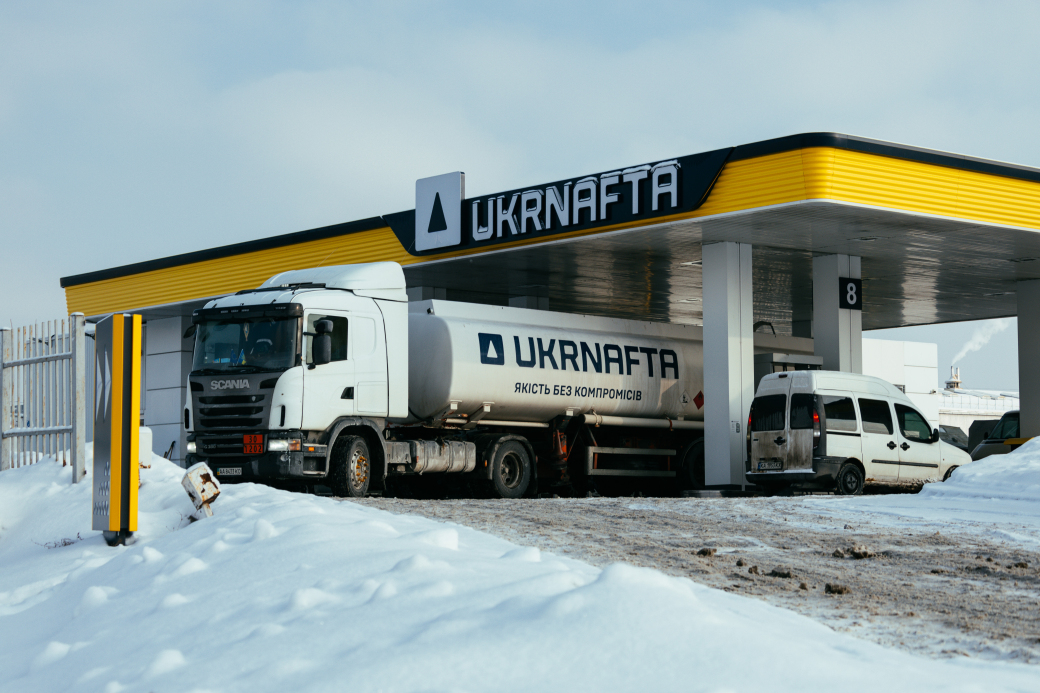
Ukrnafta has strengthened its position in the fuel market: the network’s share of the retail market has risen by 4.5 percentage points to 12.5%. The reason is not only that it expanded its network by 118 gas stations, to 665 sites, through the acquisition from Shell.
What is enabling Ukrnafta to grow and take on market leaders OKKO and WOG?
In 2025, Ukrnafta increased retail fuel sales by 50% and wholesale sales by 70%, according to the company. At the same time, the market shrank.
“The retail market fell by 2.1% compared with 2024, when it also declined. In 2026, the market’s downward trend will continue and competition will intensify,” OKKO CEO Vasyl Danyliak said in an interview with Forbes Ukraine in mid-January.
So what is enabling Ukrnafta to grow in a declining market?
As of February 2026, Ukrnafta’s share of the fuel market had reached 12.5%, according to A-95 Consulting Group. In October 2025, Ukrnafta’s Commercial Director Serhii Fedorenko put it at 8%.
“The gap to WOG is already minimal — literally 2%. This year they will most likely narrow it further,” said Serhii Kuiun, Director of A-95 Consulting Group. A-95 estimates WOG’s share of the fuel market at 14.3%, and market leader OKKO’s at 19.1%.
At the same time, Ukrnafta has gradually narrowed its price gap with OKKO and WOG: two years ago the difference was about UAH 5 per litre of petrol, but it has now fallen to UAH 2, Kuiun explained.
The company’s leap has also been noticed by competitors. “We can see Ukrnafta stepping up the pace of fuel sales at the former Shell stations. At the same time, UPG has expanded significantly thanks to more than 400 Privat stations that had stood idle for almost a year. Given the aggressive expansion by these two players, in 2026 we expect a planned reduction in our own sales volumes,” Danyliak of OKKO said.
Shell’s rebranding took Ukrnafta a year — and sales at those sites rose 2–3 fold, Kuiun said. This has fed through into growth in non-fuel sales, which increased 2.2 times, Ukrnafta CEO Bogdan Kukura said.
In 2026, Ukrnafta plans to refurbish a further 100 gas stations, he added.
The company is also building a loyal customer base. Last year, fuel sales via Ukrnafta’s mobile app rose by 95%, and the app’s share of retail sales increased over the year from 59.7% to 79%, Kukura said. The company ended 2025 with 3 million app users. Its target for 2026 is 5 million users.
While in retail Ukrnafta is trying to replicate the leaders’ approaches, in wholesale it is waging an aggressive price war with them. “In tenders they offered the lowest prices — effectively at cost — and won repeatedly,” Kuiun of A-95 Consulting Group said.
Why are revenue and profit falling?
Ukrnafta’s revenue for the first nine months of 2025 totalled UAH 72.6 billion, down 5.5% year-on-year from UAH 76.8 billion, according to YouControl. The company’s profit for the first three quarters of 2025 fell by 28.6%, to UAH 15.1 billion from UAH 21.2 billion a year earlier.
Why is revenue falling despite rising fuel sales? Kuiun points to several reasons:
- the destruction of the Kremenchuk Oil Refinery
- regular attacks on upstream infrastructure, which have constrained the resource base
- obligations placed on Ukrnafta to sell its gas to households at a preferential price.
“As a result, the company is increasing sales in litres, but because of a shift in the sales mix and losses in high-margin segments, cash revenue is declining,” Kuiun said.