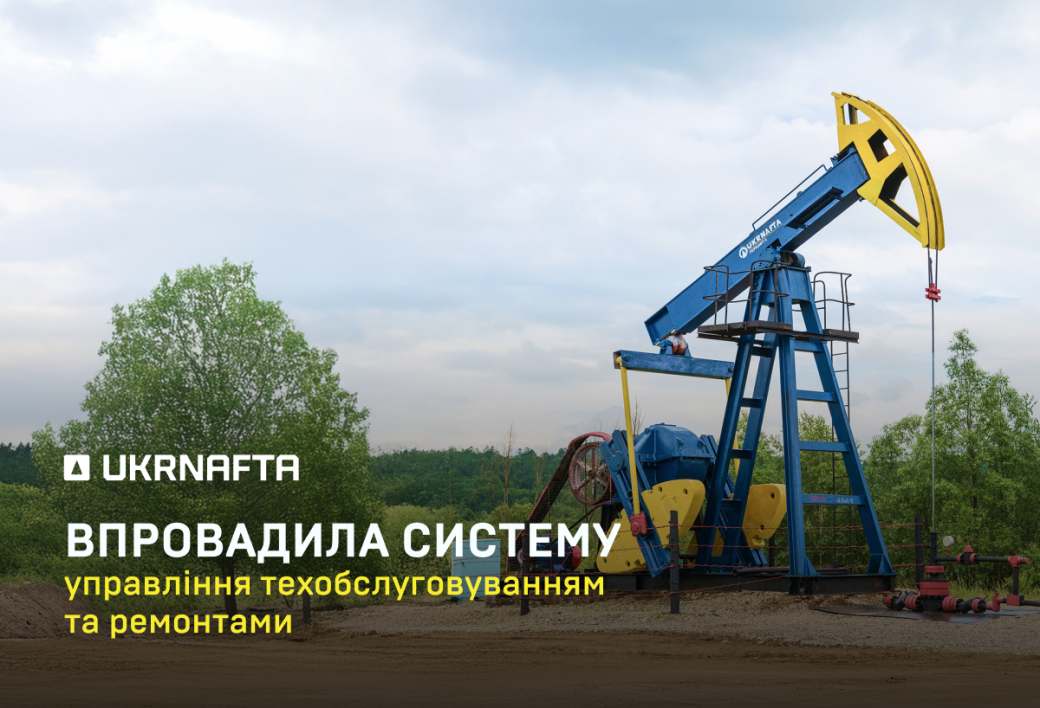
The company has implemented a corporate maintenance and repair management system and has begun using it in practice.
The aim is to create a single electronic system for managing production assets — from equipment records to the analysis of maintenance and repair costs. In effect, this means creating a “digital twin” that enables more accurate work planning, better cost forecasting and more efficient use of resources.
Since February 2026, the system has been operating in pilot industrial mode in the company’s regional divisions.
The project is based on the Enterprise Asset Management (EAM) approach and comprises 16 modules and 39 end-to-end Level 1 and Level 2 business processes, covering the management of the full lifecycle of production assets.
One of the key areas is the creation of a unified equipment database. Around 47,000 fixed assets have already been identified, of which 39,000 — more than 80% — have been uploaded into the system. Around 8,000 repair objects have been created, more than 150 equipment types have been standardised across over 4,800 models, and more than 7,000 items of technical documentation have been uploaded.
A digital passport is being created for each asset, containing a full history of repairs, defects, downtime and movements.
A maintenance and repair regulatory framework has also been established: more than 10,000 process sheets contain step-by-step labour inputs, standards, lists of tools and qualification requirements. All resources are integrated with the ERP system, making it possible to automate reservation and the generation of procurement requests.
The request management process has been standardised (BPMN 2.0) — from recording a defect to analysing completed work and transferring costs into ERP. For the analysis of technical failures, around 500 standard defect types have already been created.
The system is integrated with ERP, ensuring transparent financial accounting for repairs and cost control at every stage.
“We are steadily moving towards a digital model for managing production assets. This is not a standalone IT project, but a change in the approach to production management. The system makes it possible to ensure control at every stage — from equipment condition and work planning to costs and performance outcomes. As a result, it improves process transparency, execution discipline and the quality of management decisions,” said Boпdan Kukura, Chairman of the Management Board of JSC “Ukrnafta”.
“In effect, we are creating a single digital asset management system for the company. It will allow us to see equipment condition in real time, plan work, and control resources and costs. Importantly, the system covers the entire cycle — from recording a defect to analysing the causes of failures and making management decisions. This significantly improves the efficiency and manageability of production processes,” added Oleh Deberyna, Head of the Maintenance and Repair System Implementation Division.
The introduction of the maintenance and repair management system marks a shift in the approach to asset management: unified rules for working with equipment, standardised processes, stronger data management, and improved production reliability and safety.
The next stage is to scale the system across all of the company’s structural divisions, including internal service units. Implementation will continue in phases through to mid-2027.